

This article is written for educational purposes and paired with our editorial policy, nutrition review policy, and affiliate disclosure where relevant.
Advanced keto threads often revolve around whether stricter tools like fasting or refeeds are worth the complexity.
- Readers compare experimentation with fasting windows, carb refeeds, and training changes.
- The common downside is that more complex protocols are harder to sustain than expected.
- The useful pattern is to match complexity to a real goal rather than assuming advanced means better.
- When the protocol creates confusion or rebound eating, simpler keto usually wins in practice.
Community experiments are helpful for spotting tradeoffs, but they should stay secondary to the article’s evidence-based guidance.
A ketovore diet sits between standard keto and a carnivore-style pattern by leaning heavily on animal foods while keeping carbohydrates low. Some readers like the simplicity, but the narrower the food list becomes, the more important it is to watch variety, micronutrients, and whether the plan is still sustainable.
- Ketovore is simpler for some people but more restrictive than standard keto.
- The tighter the food list gets, the more attention you need to give fiber, minerals, and social practicality.
- A stricter diet is only helpful if it solves a real adherence problem without creating new ones.
- Readers who are curious about meat-heavy keto variants.
- People comparing ketovore with standard keto before cutting more foods out.
- Anyone who wants a more honest view of the tradeoffs instead of a trend label alone.
If constipation, food monotony, rising saturated fat intake, or social rigidity are already problems, ketovore may worsen them. A simpler plan should still be nutritionally thought through.
Imagine a diet that combines the best of both worlds—the fat-burning power of keto with the simplicity and satiety of a carnivore lifestyle. Enter the Ketovore Diet, a unique approach that takes the low-carb, high-fat principles of keto and enriches them with nutrient-dense animal-based foods. This blend not only supports energy and weight management but also helps you feel fuller, longer, with fewer cravings. Whether you’re looking to break through plateaus or explore a more satisfying way to embrace keto, the Ketovore Diet offers a powerful, straightforward path to your health goals.
WHAT IS THE KETOVORE DIET?
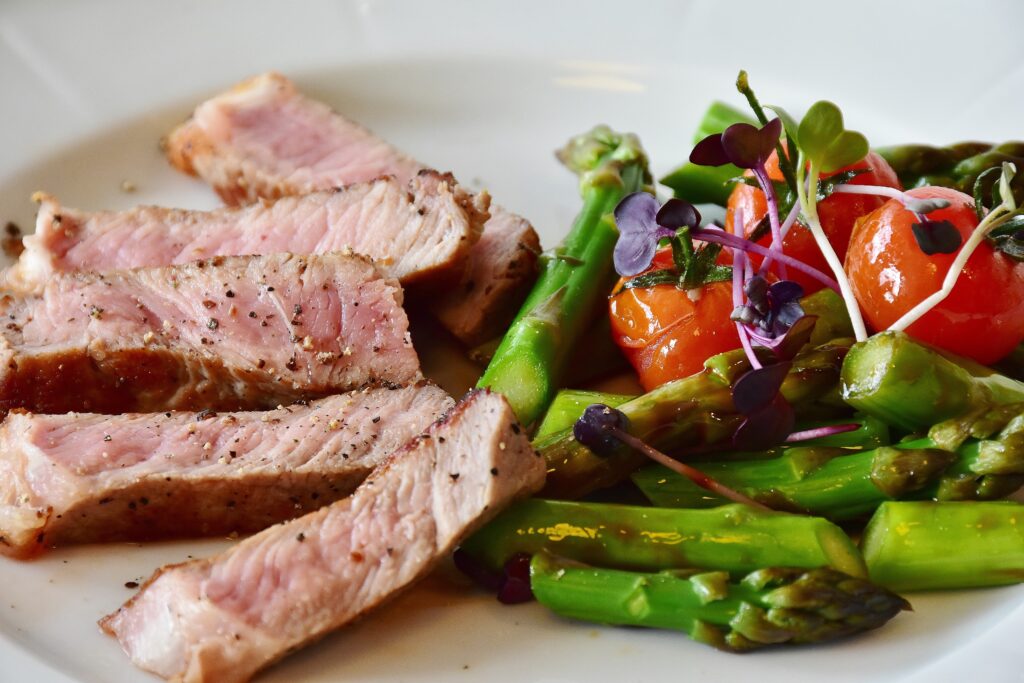
The Ketovore Diet is a blend of the ketogenic (keto) diet and the carnivore diet, designed to combine the benefits of both approaches. While the keto diet focuses on a high-fat, low-carb intake to enter and maintain ketosis (a state where the body burns fat for fuel), the carnivore diet emphasizes an all-animal-based diet, excluding plant foods. The Ketovore Diet merges these principles by prioritizing animal-based foods while allowing for a small number of low-carb vegetables and keto-friendly ingredients.
Core Elements of the Ketovore Diet
- Animal-Based Focus: Prioritizes meat, fish, eggs, and animal fats as primary food sources for nutrient density and satiety.
- Low-Carb, Ketosis-Friendly: Maintains a low-carb intake, similar to keto, to promote fat-burning and keep the body in ketosis.
- Flexible with Vegetables: Allows small amounts of low-carb vegetables and keto-friendly ingredients, offering more variety than a strict carnivore diet.
- High-Quality Fats: Emphasizes healthy fats from animal sources, which help with energy, satiety, and achieving ketosis.
- Simplicity and Sustainability: Designed for ease and long-term adherence, providing a straightforward approach to low-carb eating without strict restrictions.
BENEFITS OF THE KETOVORE DIET
The Ketovore Diet offers a unique blend of ketogenic and carnivore principles, catering to those who seek the fat-burning benefits of ketosis with the nutrient density of animal-based foods. Designed for simplicity and effectiveness, this approach not only supports weight management and energy but also enhances mental clarity and overall wellness.
Enhanced Fat-Burning and Weight Management
The Ketovore Diet keeps carbohydrate intake low, allowing the body to enter and sustain ketosis—a metabolic state where fat is used as the primary fuel source instead of glucose. This metabolic shift can accelerate fat burning, making it an effective strategy for weight management and body composition goals.
Reduced Cravings and Prolonged Satiety
With a high emphasis on animal-based proteins and healthy fats, the Ketovore Diet provides lasting satiety. This reduces the frequency and intensity of cravings, particularly for processed and sugary foods, helping individuals maintain a controlled, nutrient-dense diet without the urge to snack.
Nutrient-Dense Food Choices
Animal-based foods, such as red meat, fish, eggs, and organ meats, are rich sources of essential nutrients like B vitamins, iron, selenium, and omega-3 fatty acids. These nutrients support energy metabolism, immune health, and muscle maintenance, making the Ketovore Diet both nutrient-rich and bioavailable for optimal health.
Improved Cognitive Function and Mental Clarity
The Ketovore Diet promotes ketosis, which supplies the brain with ketones—a highly efficient fuel source that many find enhances mental clarity, focus, and mood stability. This steady energy can help reduce brain fog and improve overall cognitive function, particularly beneficial for individuals seeking better concentration and productivity.
Simplicity and Flexibility for Long-Term Adherence
By focusing on whole, animal-based foods with the option to include select low-carb vegetables and other keto-friendly ingredients, the Ketovore Diet balances simplicity and flexibility. This adaptable approach helps individuals stay consistent, making it a sustainable dietary choice for long-term health and wellness goals.
KETOVORE FRIENDLY FOODS
The Ketovore Diet combines the fat-burning benefits of keto with the nutrient density of carnivore eating, focusing on low-carb, animal-based foods with a touch of keto-friendly options. This approach is designed for those seeking a straightforward, effective way to support weight management, energy, and overall wellness through a balanced blend of meats, healthy fats, and select low-carb vegetables and ingredients.
Beef and Red Meats
- Grass-fed Beef: Rich in omega-3s and CLA, supports heart health.
- Lamb: High in iron and B vitamins, ideal for energy and muscle health.
- Venison: A lean option with a slightly gamey flavor, excellent for low-fat needs.
Poultry
- Chicken Thighs and Drumsticks: Higher fat content for staying in ketosis.
- Turkey Breast: A leaner option packed with protein.
- Duck: Higher in fats and a rich flavor, adds variety to the diet.
Organ Meats
- Liver: Loaded with essential vitamins like B12 and iron for energy.
- Heart: High in CoQ10, supporting cardiovascular health.
- Kidneys: Rich in protein and various vitamins, a nutrient powerhouse.
Fish
- Salmon: Packed with omega-3 fatty acids for anti-inflammatory benefits.
- Sardines: Small fish with high calcium, great for bone health.
- Mackerel: Another omega-3-rich choice, excellent for brain health.
Eggs
- Whole Eggs: A perfect protein with healthy fats and choline for brain support.
- Egg Yolks: Full of fat-soluble vitamins A, D, E, and K.
- Duck Eggs: Higher in fat and protein, a nutrient-dense alternative.
High-Quality Animal Fats
- Grass-fed Butter: Rich in CLA, vitamins, and an excellent cooking fat.
- Beef Tallow: High in healthy saturated fats for ketosis.
- Ghee: Clarified butter that’s easy to digest, ideal for cooking.
Low-Carb Dairy (If Tolerated)
- Heavy Cream: High in fats, ideal for adding to coffee or recipes.
- Greek Yogurt: Full-fat and low in carbs, useful for added protein.
Low-Carb Vegetables (in Moderation)
- Spinach: Low in carbs, high in vitamins A and C.
- Zucchini: Versatile and low-carb, ideal for adding texture.
- Mushrooms: Nutrient-rich and adds a savory flavor to dishes.
Broths and Bone Broth
- Beef Bone Broth: Rich in collagen for joint health.
- Chicken Bone Broth: High in amino acids and minerals.
- Fish Broth: Contains iodine and other minerals beneficial for thyroid health.
Fermented Foods (Small Amounts)
- Sauerkraut: Provides probiotics for gut health.
- Kimchi: Low in carbs, with a unique flavor and gut-friendly bacteria.
- Pickles (without added sugar): Great for adding crunch and probiotics.
Raw, Aged, and Hard Cheeses (in Moderation)
- Aged Gouda: Low in lactose, rich in flavor, keto-friendly.
- Parmigiano-Reggiano: High in protein and calcium, low-carb.
- Blue Cheese: Adds a sharp taste, with probiotic benefits in moderation.
High-Fat Keto Nuts and Seeds (in Small Quantities)
- Macadamia Nuts: High in healthy fats, low in carbs, great for snacking in moderation.
- Pecans: Very low in carbs and rich in antioxidants.
- Chia Seeds: Low-carb and high in fiber; can be used in small amounts for texture.
Avocado and Avocado-Based Products
- Fresh Avocado: Packed with fiber and heart-healthy fats, suitable for adding texture.
- Avocado Oil: High smoke point, ideal for cooking or dressings.
- Guacamole: Simple, keto-friendly dip without added sugars or fillers.
Keto-Friendly Coconut Products
- Coconut Oil: Rich in MCTs, which can help support ketosis.
- Coconut Cream: Adds creaminess to dishes, low-carb and dairy-free.
- Unsweetened Shredded Coconut: Low in carbs, great for texture in small quantities.
Dark, Low-Carb Leafy Greens (in Small Amounts)
- Arugula: Peppery, low in carbs, pairs well with fatty meats.
- Swiss Chard: Nutrient-dense, can be sautéed in animal fat for added flavor.
- Kale: High in vitamins; use sparingly as a side to balance heavier meats.
Keto-Friendly Dairy Alternatives (in Moderation)
- Coconut Milk: Creamy and low in carbs, ideal for soups and stews.
- Almond Milk (Unsweetened): Very low in carbs, useful for recipes needing liquid.
- Heavy Cream Alternatives: Coconut or cashew cream, suitable for dairy-sensitive individuals.
Keto-Friendly Berries (In Moderation)
- Raspberries: Low in carbs and high in fiber, can add sweetness in small amounts.
- Blackberries: Low-glycemic berry, great for an occasional sweet treat.
- Strawberries: Use sparingly for their low carb content and added flavor.
ESSENTIAL GOALS FOR A SUCCESSFUL KETOVORE DIET TRANSITION
Setting clear goals for your Ketovore Diet transition helps create a smoother, more successful experience. By focusing on specific targets— you’ll establish a strong foundation for sustaining this lifestyle. These goals are designed to simplify the transition, support ketosis, and enhance overall wellness.
Reduce Carbohydrate Intake Daily
- Start by tracking your carb intake to consistently stay below 30 grams per day, focusing on removing starchy and sugary foods.
- Gradually replace carbs with nutrient-dense animal foods like eggs, fatty meats, and organ meats.
Increase Protein Daily
- Aim to consume a minimum of 100 grams of protein per day from animal sources to help your body adapt to higher protein intake.
- Include protein-rich foods at every meal, like beef, chicken, or fish, to support muscle maintenance and satiety.
Switch Cooking Fats to Animal-Based Options Only
- Transition away from plant oils by using animal fats like butter, tallow, or lard exclusively for cooking.
- This goal helps your body adapt to a higher fat intake and supports ketosis.
Incorporate Organ Meats Twice a Week
- Add organ meats like liver or heart to two meals per week for a nutrient boost.
- Organ meats provide essential vitamins and minerals that enhance energy and well-being on a Ketovore Diet.
Eliminate All Processed Foods by Week Two
- This shift reduces cravings and improves adherence to the Ketovore approach, supporting a cleaner, more nutrient-focused diet.
- Gradually remove all processed foods, focusing on whole, natural animal-based options.
HOW TO TRANSITION TO A KETOVORE DIET?
Transitioning to the Ketovore Diet can be rewarding, but it helps to have a few practical strategies to ease the process. These tips are designed to make your shift smoother, helping you adapt gradually, find balance, and stay motivated for long-term success.
Ease into Lower Carbs Gradually
- Start by slowly reducing high-carb foods, letting your body adapt naturally.
- Increase animal-based foods weekly to avoid abrupt changes and ease into ketosis.
Experiment with Foods to Find Your Ideal Balance
- Try different meats, fats, and organ meats to see what keeps you energized.
- Adjust based on how you feel; this personalization will help with sustainability.
Focus on Nutrient-Dense Choices
- Prioritize foods like liver, bone broth, and fatty cuts to cover essential nutrients.
- Nutrient-rich choices prevent deficiencies and keep energy levels stable.
Stay Flexible to Prevent Burnout
- Allow occasional keto-friendly foods like avocado if needed to avoid feeling restricted.
- Flexibility makes the diet enjoyable and sustainable long-term.
Set Small, Achievable Goals
- Start with short-term goals, like a two-week commitment to build momentum.
- Celebrate progress, like fewer cravings or more energy, to stay motivated.
CHALLENGES OF THE KETOVORE DIET
While the Ketovore Diet offers unique benefits by combining keto’s fat-burning approach with a focus on nutrient-dense, animal-based foods, it’s not without its challenges.
Initial Fatigue and “Keto Flu” Symptoms
- As your body adjusts to low-carb eating, you may experience fatigue, headaches, and irritability.
- These symptoms are usually temporary but can be mitigated by staying hydrated and replenishing electrolytes.
Social Situations and Limited Food Options
- Dining out or attending social events can be challenging with a primarily animal-based diet.
- Planning ahead or bringing your own food can help you stay on track.
Digestive Adjustments
- Some people experience digestive issues, like constipation or bloating, as they adapt to a higher protein and fat intake.
- Increasing water intake and gradually adjusting can ease digestive transitions.
Potential Nutrient Gaps
- Restricting plant foods may lead to concerns about fiber or certain vitamins.
- Including nutrient-dense organ meats and considering supplements can help address this.
Monotony and Food Variety
- Eating mainly animal-based foods can feel repetitive over time, which may impact enjoyment and adherence.
- Experimenting with different meats, cuts, and cooking styles can add variety and interest.
PRACTICAL TIPS FOR SUCCESS ON THE KETOVORE DIET
Transitioning to the Ketovore Diet comes with its own set of challenges, but the right strategies can make a big difference. These practical tips are designed to help you ease into the diet, stay motivated, and manage any obstacles along the way, making the Ketovore lifestyle more enjoyable and sustainable.
Gradual Transition to Reduce Shock to Your System
- Start by implementing one Ketovore meal per day and increase over time rather than switching abruptly, giving your body time to adapt to higher animal-based intake.
- Integrate small, keto-friendly veggies initially and gradually phase them out, allowing your body to adjust without overwhelming changes.
Keep a Food Journal to Track Reactions and Adjustments
- Record what you eat and note any physical reactions, energy levels, and mood changes to better understand how your body responds to the Ketovore diet.
- Use this journal to identify patterns, such as certain foods causing digestive issues, and adjust accordingly to enhance comfort and adherence.
Incorporate Short Fasting Periods to Enhance Adaptation
- Try intermittent fasting (like 12–16 hours) a few times a week to help your body switch into fat-burning mode faster and reduce carb cravings.
- This can also help improve digestion by allowing your gut to rest and adjust to higher fat and protein intake.
Rotate Protein Sources Weekly to Avoid Flavor Fatigue
- Plan a weekly rotation of protein sources, such as beef, lamb, pork, chicken, and fish, to keep your meals interesting and avoid getting bored with the same flavors.
- Trying different cooking techniques—like grilling, roasting, or slow-cooking—adds variety and prevents meal monotony, making it easier to stay committed to the diet.
Set Up a Ketovore Support System for Accountability
- Connect with others on the Ketovore diet, whether through online groups, forums, or a friend following a similar path, to share experiences and strategies.
- Accountability partners or groups can provide tips, encouragement, and meal ideas, making it easier to stay consistent and motivated.
CONCLUSION
The Ketovore Diet combines the best of keto’s fat-burning benefits with the nutrient density of animal-based foods, creating a balanced approach to achieving lasting energy, mental clarity, and overall wellness. Whether you’re new to keto or looking to refine your journey, explore everything you need with Keto Diet Dude and make the most of your keto lifestyle!
FAQs
The Ketovore Diet can be easier on digestion for some people due to its simplicity and focus on whole, unprocessed foods. However, those new to a high-protein, high-fat intake may experience some adjustment. Drinking plenty of water, increasing fats gradually, and choosing softer cuts of meat can help ease the digestive transition.
The Ketovore Diet combines principles from both keto and carnivore diets. While keto focuses on high fats and low carbs, allowing for a range of low-carb vegetables, the Ketovore Diet emphasizes animal-based foods, such as meats and animal fats, with only occasional low-carb plant foods. This creates a more animal-centric approach that still maintains ketosis.
Yes, the Ketovore Diet can be very convenient for busy lifestyles. Meals are often simple and focused on proteins and fats, which can be prepped in advance or cooked quickly. Batch-cooking meats, using protein snacks like jerky, and choosing versatile foods like eggs make it easier to stick to the diet on a tight schedule.


Leave a Reply