

Imagine a world where you can savor creamy, comforting flavors without the carb-heavy aftermath—a place where dairy dreams align with the low-carb lifestyle. It’s the ultimate fusion of rich textures and keto-friendly choices, bringing together the best of both worlds. From velvety lattes to luscious cheese sauces and indulgent desserts, low-carb dairy options offer a taste of comfort that doesn’t compromise your health goals. Dive into the world of keto-friendly milk where creamy satisfaction meets the low-carb approach, turning each meal into a moment of pure, guilt-free pleasure.
WHAT ARE KETO-FRIENDLY MILKS?
Keto-friendly milks are low-carb dairy or plant-based alternatives suitable for the ketogenic diet. They provide the creamy texture and versatility of traditional milk but with minimal carbohydrates, allowing those on keto to enjoy beverages, recipes, and snacks without risking their state of ketosis.
Health Benefits of Keto-Friendly Milks
- Supports Blood Sugar Stability: Low in carbs, options like almond and coconut milk reduce blood sugar spikes, keeping energy levels steady.
- Heart Health Boost: High in heart-friendly fats (like in macadamia milk) that help lower LDL cholesterol.
- Metabolism and Energy Enhancer: Coconut milk’s MCTs provide a quick energy source and may boost metabolism.
- Bone Support: Fortified with calcium and vitamin D, many keto-friendly milks aid bone health.
- Digestive Health: Seed-based milks like flaxseed offer omega-3s that support gut health.
- Weight Management: High-fat content in options like heavy cream promotes satiety, curbing hunger.
- Anti-Inflammatory: Dairy-free alternatives, like hemp and almond milk, are less likely to cause inflammation, benefiting those with dairy sensitivities.
CHOOSING THE RIGHT KETO-FRIENDLY MILK
Selecting the right keto-friendly milk can make a big difference in maintaining ketosis while enjoying creamy beverages and recipes. With a range of options from dairy to plant-based, it’s essential to pick a milk that aligns with your dietary needs, flavor preferences, and keto goals.
- Carb Content: Look for unsweetened varieties with minimal carbs—generally less than 1-2 grams per cup—to avoid impacting blood sugar and ketosis.
- Fat Content: Higher-fat options like heavy cream or coconut milk provide energy and help increase satiety, making them ideal for a keto diet.
- Nutritional Additives: Some milks are fortified with vitamins and minerals, such as calcium and vitamin D, which can support bone health on a low-dairy diet.
- Flavor and Texture: Consider the flavor and texture for your specific recipes—almond milk is light and slightly nutty, while coconut milk has a creamier, richer taste that may enhance certain dishes.
CLASSIC KETO-FRIENDLY DAIRY MILKS
Classic keto dairy milks provide rich, creamy options that fit perfectly into a low-carb lifestyle. These milks, like heavy cream and half-and-half, are naturally high in fats and low in carbs, making them ideal for adding texture and flavor to your favorite keto meals and beverages. They offer the satisfaction of traditional dairy while supporting your keto goals, bringing comfort and versatility to your diet.
Heavy Cream
Heavy cream is a high-fat, ultra-low-carb dairy product, ideal for keto-friendly cooking and adding a luxurious creaminess to recipes. With around 36-40% fat content and virtually no sugars, heavy cream supports ketosis while enhancing flavor and texture.
Health Benefits
- Supports Ketosis: The high-fat content provides energy and helps sustain ketosis without adding carbs.
- Rich in Fat-Soluble Vitamins: Contains essential vitamins A, D, E, and K, which support immunity, bone health, and skin health.
- Low Glycemic Impact: Minimal sugars make it suitable for maintaining stable blood sugar levels.
Heavy Cream
Pros
- Very low in carbs, ideal for keto.
- High in fats, which support energy and satiety.
- Rich flavor and texture, enhancing dishes.
Cons
- High in calories, easy to overconsume.
- Saturated fat content may be a concern for some.
- Less suitable for low-calorie diets.
Half-and-Half
Half-and-half is a blend of milk and cream, offering a lighter option than heavy cream but still low enough in carbs to be keto-friendly. With around 10-18% fat content, it provides a smooth, creamy texture ideal for those seeking a balanced alternative.
Health Benefits
- Moderate Carb Control: Lower in carbs than whole milk, making it a suitable option for those on a low-carb or keto diet.
- Balanced Fat Content: Supplies fats for sustained energy without the density of heavy cream.
- Bone Health: Fortified with calcium and vitamin D, supporting bone density and overall health.
Pros
- Lower in carbs than milk, keto-friendly in moderation.
- Fewer calories than heavy cream.
- Adds creaminess with some calcium.
Cons
- More carbs than heavy cream, needs moderation.
- Lower fat content, less filling.
- May not work in high-fat keto recipes.
Non-Dairy Keto-Friendly Milk
Non-dairy keto-friendly milk options provide creamy, low-carb alternatives for those following a keto diet and avoiding traditional dairy. These plant-based are perfect for keto recipes without compromising on taste or texture.
Almond Milk
Almond milk is a low-carb, non-dairy milk made from finely ground almonds and water, offering a creamy, subtly nutty flavor that fits seamlessly into a keto diet. Unsweetened varieties contain very few carbs, making them an excellent option for those focused on maintaining ketosis.
Health Benefits
- Minimal Carbs: With less than 1 gram of carbs per cup (unsweetened), almond milk supports low-carb goals without impacting blood sugar.
- Rich in Antioxidants: High in vitamin E, which promotes healthy skin and strengthens immune function.
- Supports Heart Health: Contains heart-healthy fats known for helping to manage cholesterol levels.
Pros
- Very low in carbs, ideal for keto.
- Low in calories, good for calorie control.
- High in vitamin E for skin and immune health.
- Dairy-free, suitable for lactose intolerance.
Cons
- Low in protein, less filling.
- Some brands add carbs with sweeteners.
- Thin consistency, not ideal for creamy recipes.
Coconut Milk
Coconut milk, made from the rich flesh of coconuts, is a versatile, keto-friendly non-dairy milk with a naturally creamy texture and tropical taste. Its high fat and low carbohydrate profile make it an excellent choice for keto cooking and beverages.
Health Benefits
- MCT-Rich for Energy: Contains medium-chain triglycerides (MCTs), which are quickly absorbed and provide a steady source of energy.
- Carb-Conscious: Minimal natural sugars make it ideal for maintaining stable blood glucose levels on a low-carb diet.
- Mineral Support: Supplies vital nutrients like potassium and magnesium, which aid in hydration and muscle function.
Pros
- Low in carbs, making it keto-friendly.
- High in MCTs, which provide quick energy and support ketosis.
- Rich, creamy texture that enhances recipes.
- Dairy-free, suitable for lactose intolerance.
Cons
- Higher in calories, so moderation is key.
- Distinct coconut flavor may not suit all dishes.
- Canned versions may contain additives or preservatives.
Macadamia Nut Milk
Macadamia nut milk is a smooth, buttery, and ultra-low-carb milk alternative, perfect for a keto lifestyle. With a naturally high fat content and almost zero carbs, it provides a creamy texture that complements both sweet and savory keto recipes.
Health Benefits
- High in Monounsaturated Fats: Supports heart health and provides a steady energy source that aligns with keto’s high-fat needs.
- Low Glycemic Impact: Very low in carbs, helping to maintain stable blood sugar and prevent insulin spikes.
- Rich in Antioxidants: Contains antioxidants that help combat inflammation and support overall wellness.
Pros
- Very low in carbs, perfect for keto.
- High in monounsaturated fats, supporting heart health.
- Creamy texture with a mild flavor, versatile in recipes.
- Dairy-free and suitable for lactose intolerance.
Cons
- Low in protein, less filling.
- Can be more expensive than other milk alternatives.
- Limited availability in some stores.
Flaxseed Milk
Flaxseed milk is a keto-friendly, plant-based milk alternative made from cold-pressed flaxseeds, known for its earthy, slightly nutty flavor. It’s very low in carbs, with no natural sugars, making it an excellent fit for keto while delivering essential nutrients.
Health Benefits
- Omega-3 Powerhouse: Rich in alpha-linolenic acid (ALA), an essential omega-3 fatty acid that supports heart health, reduces inflammation, and enhances brain function.
- Ultra-Low in Carbs: Contains almost no carbohydrates or sugars, making it perfect for maintaining ketosis without impacting blood glucose levels.
- Fiber-Rich for Digestive Health: Offers soluble fiber, which aids digestion and can help regulate blood sugar levels.
Pros
- Very low in carbs, excellent for keto.
- High in omega-3 fatty acids, supporting heart and brain health.
- Dairy-free, suitable for lactose intolerance and nut allergies.
- Mild flavor and smooth texture, versatile in various recipes.
Cons
- Low in protein, may not be very filling.
- Less widely available than other milk alternatives.
- Some brands may contain added thickeners or sweeteners.
MAKE YOUR OWN KETO-FRIENDLY MILK ALTERNATIVES AT HOME
Making your own keto-friendly milk alternatives at home is a simple, fresh, and cost-effective way to enjoy creamy, low-carb milks tailored to your taste. With just a few ingredients, you can prepare delicious, additive-free versions of macadamia, flaxseed, coconut, and almond milk—perfect for smoothies, coffee, cooking, and more.
Homemade Macadamia Milk
Ingredients
- 1 cup raw macadamia nuts
- 3-4 cups filtered water (for blending)
- Optional: pinch of sea salt, 1/2 tsp vanilla extract, or a sweetener of choice (e.g., a few drops of stevia or monk fruit sweetener)
Instructions
- Soak the Nuts: Place macadamia nuts in a bowl, cover with water, and let soak for 4-8 hours. Soaking softens the nuts and makes blending easier. For a creamier consistency, you can skip the soaking step if preferred.
- Blend: Drain the soaked nuts and rinse well. Place them in a blender with 3-4 cups of filtered water, depending on your preferred milk thickness. Add a pinch of sea salt and optional flavorings (vanilla or sweetener).
- Strain: Blend on high for 1-2 minutes until smooth and creamy. Pour the mixture through a nut milk bag or a fine mesh strainer to remove any pulp, squeezing well to extract as much liquid as possible.
- Store: Transfer the milk to a glass bottle or jar. Store in the refrigerator for up to 5 days. Shake well before using, as natural separation may occur.
Homemade Flaxseed Milk
Ingredients
- 1/4 cup whole flaxseeds
- 3-4 cups filtered water
- Optional: pinch of sea salt, 1/2 tsp vanilla extract, or a sweetener of choice
Instructions
- Prepare the Ingredients: Place the flaxseeds in a blender with 3-4 cups of water, adjusting for desired thickness. Add a pinch of sea salt and optional flavorings.
- Blend: Blend on high for about 1 minute, until the mixture is fully blended and smooth. Note that flaxseed milk can be thicker due to natural flaxseed gels.
- Strain (Optional): For a smoother consistency, pour the mixture through a nut milk bag or a fine mesh strainer. You may skip this step if you prefer a thicker, fiber-rich milk.
- Store: Pour the milk into a glass jar or bottle and refrigerate. Use within 3-4 days, shaking well before each use, as it may thicken when stored.
Homemade Coconut Milk
Ingredients
- 1 cup unsweetened shredded coconut
- 3-4 cups hot (not boiling) water
- Optional: pinch of sea salt, 1/2 tsp vanilla extract, or a sweetener of choice
Instructions
- Combine Coconut and Water: Place the shredded coconut in a blender. Pour in 3-4 cups of hot water (not boiling, but hot enough to extract the coconut flavor).
- Blend: Blend on high for 2-3 minutes, until the mixture is thick and creamy.
- Strain: Pour the mixture through a nut milk bag or a double-layer cheesecloth to separate the coconut pulp from the milk. Squeeze well to extract all the liquid.
- Store: Transfer the milk to a glass bottle or jar and refrigerate. Use within 3-4 days. Shake before using, as coconut milk naturally separates over time.
Homemade Almond Milk
Ingredients
- 1 cup raw almonds
- 3-4 cups filtered water (for blending)
- Optional: pinch of sea salt, 1/2 tsp vanilla extract, or a sweetener of choice
Instructions
- Soak the Almonds: Place almonds in a bowl, cover with water, and soak overnight (at least 8-12 hours). Soaking softens the almonds, making them easier to blend and resulting in a creamier milk.
- Drain and Rinse: Drain the soaked almonds and rinse them well under cool running water.
- Blend: Place the almonds in a blender with 3-4 cups of filtered water, depending on your preferred milk consistency. Add a pinch of sea salt and optional vanilla or sweetener.
- Strain: Blend on high for 1-2 minutes until the mixture is smooth and creamy. Pour through a nut milk bag or fine mesh strainer to remove the almond pulp, pressing to extract all the liquid.
- Store: Pour the milk into a glass container and refrigerate. Almond milk will stay fresh for up to 5 days. Shake well before each use, as natural separation may occur.
KETO-FRIENDLY MILK SMOOTHIES
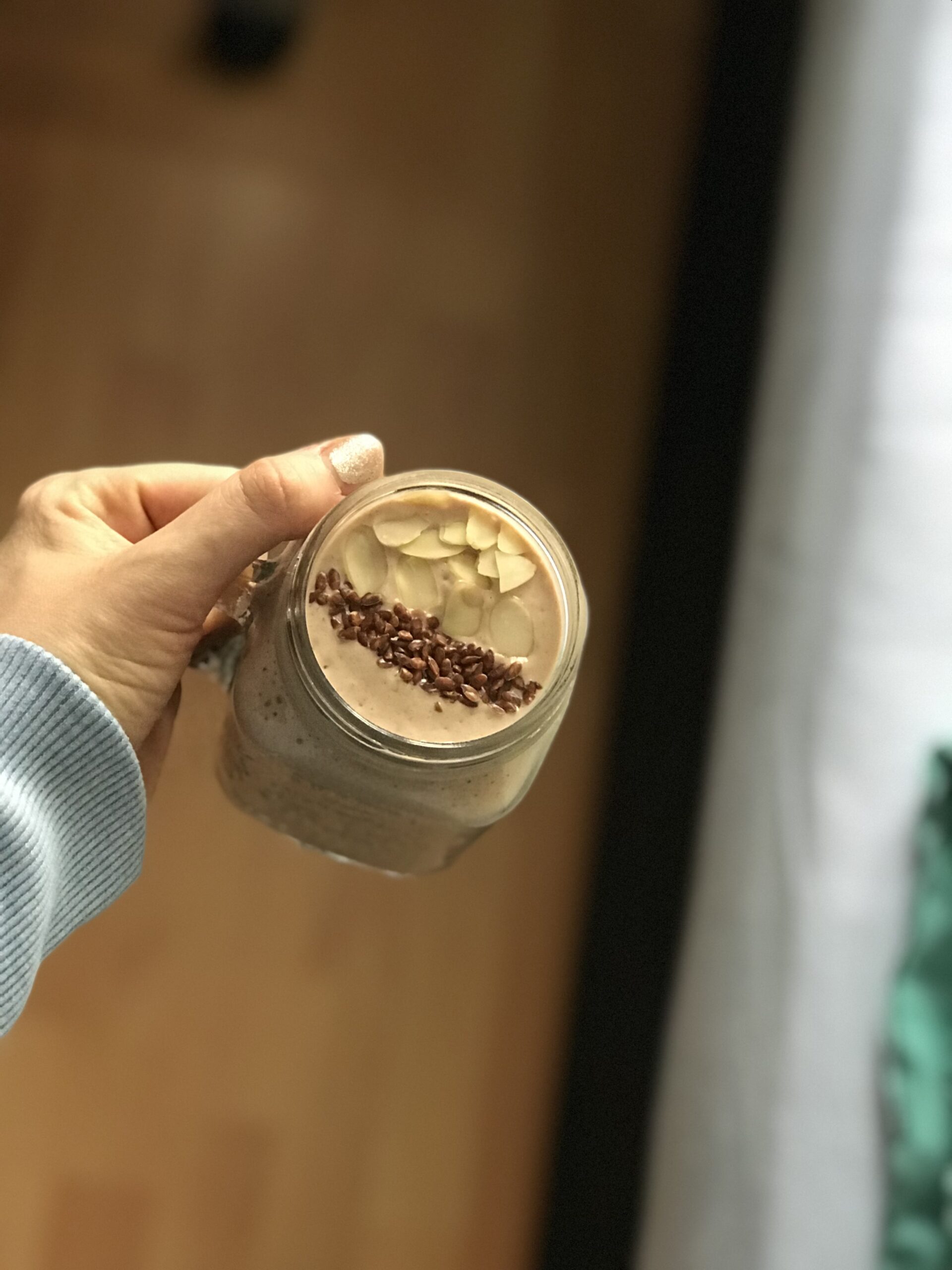
Berry Almond Smoothie: Almond milk, mixed berries, and chia seeds.
Coconut Avocado Smoothie: Coconut milk, avocado, and spinach.
Macadamia Chocolate Smoothie: Macadamia milk, cocoa powder, and stevia.
Vanilla Flax Smoothie: Flaxseed milk, vanilla protein, and cinnamon.
Peanut Butter Coconut Smoothie: Coconut milk, peanut butter, and ice.
Green Matcha Almond Smoothie: Almond milk, matcha powder, and spinach.
KETO-FRIENDLY MILK FOR YOUR COFFEE
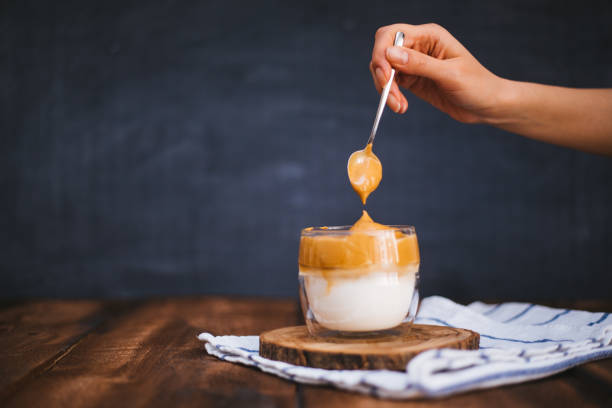
Bulletproof: Coffee with MCT oil and butter.
Coconut Latte: Espresso and coconut milk with vanilla.
Mocha Macadamia: Coffee, macadamia milk, and cocoa.
Vanilla Almond Cold Brew: Cold brew with almond milk and vanilla syrup.
Cinnamon Flax Latte: Espresso, flaxseed milk, and cinnamon.
PAIR KETO-FRIENDLY MILK WITH BREAKFASTS
Coconut Scramble: Eggs with creamy coconut milk.
Almond Omelet: Omelet with almond milk, spinach, and cheese.
Macadamia Quiche: Crustless quiche with macadamia milk and bacon.
Flaxseed Porridge: Warm porridge with flaxseed milk and chia.
Coconut Pancakes: Pancakes with coconut milk and almond flour.

KETO-FRIENDLY MILK FOR BAKING
Almond Milk Muffins: Soft muffins made with almond milk and almond flour.
Coconut Milk Bread: Fluffy keto bread with coconut milk and flaxseed.
Macadamia Milk Brownies: Rich brownies using macadamia milk and cocoa.
Flaxseed Milk Cookies: Crisp cookies made with flaxseed milk and almond flour.
Coconut Milk Cake: Moist keto cake with coconut milk and coconut flour.

KETO-FRIENDLY MILK FOR YOUR DESSERTS
Almond Milk Pudding: Creamy pudding with almond milk and chia seeds.
Coconut Milk Ice Cream: Dairy-free ice cream with coconut milk and vanilla.
Macadamia Milk Fudge: Rich fudge made with macadamia milk and cocoa.
Flaxseed Milk Custard: Smooth custard with flaxseed milk and eggs.
Coconut Milk Cheesecake: No-bake cheesecake with coconut milk and almond crust.

CONCLUSION
In the world of keto, milk can be more than just a drink—it’s a way to bring richness and comfort to your low-carb lifestyle. Embrace these keto-friendly options and savor every creamy, delicious sip without stepping out of ketosis.
Ready to master low-carb living and achieve your health goals? Join Keto Diet Dude today and begin your journey to a stronger, healthier you!
FAQs
Many “original” or sweetened nut milks contain added sugars, which increase the carb content. Unsweetened versions keep the carb count low, ensuring you stay in ketosis without any unexpected sugar spikes.
Keto-friendly milks may slightly alter texture and flavor compared to cow’s milk. Coconut milk, for example, adds a rich, tropical flavor, while almond milk is neutral but can be slightly thinner, so recipes may need minor adjustments for optimal results.
To thicken nut or coconut milk for recipes, try adding a bit of xanthan gum, chia seeds, or simmering it to reduce the liquid. This creates a creamier texture perfect for keto-friendly custards or puddings.


Leave a Reply